Internal Temperature
Pull temperature against serving temperature, by meat.
There are two temperatures for every piece of meat, and almost every chart online prints only one of them.
The serving temperature is what it reads on the plate. The pull temperature is what it should read when it comes off the heat, which is lower — because food keeps cooking after the heat is gone. Cook to the serving number and you arrive one stage past where you meant to be.
How much carryover to expect
It depends on thickness and on how hot the surface got, not on weight.
| Carryover | |
|---|---|
| ¾ in steak, pan seared | 2–3°F |
| 1.5 in steak, hot pan | 5–8°F |
| 2 in steak, reverse seared | 3–5°F |
| 3 lb roast, 350°F oven | 5–10°F |
| 14 lb turkey | 10–15°F |
Two pieces of the same weight behave differently if one is thick and one is thin, and the same piece carries over less from a low oven than from a screaming pan — the gentle method never builds the steep gradient that drives it.
Safe and good are different numbers, in both directions
For steak, the USDA minimum of 145°F is medium well. Whole-muscle beef carries its risk on the surface, which a sear sterilises, and that is the reasoning behind serving it at 130–135°F.
For chicken thigh, the safe number of 165°F is well short of good — collagen needs 175–185°F to become gelatin, and thigh has the fat to survive it.
Ground meat is the case where the reasoning does not transfer at all. Grinding moves surface bacteria into the middle, where no crust reaches, so 160°F for burgers is a different problem to steak rather than a conservative version of the same one.
Where you put the probe decides the reading
Into the thickest part, away from bone and away from fat: bone conducts heat faster and reads high, fat reads low. In anything under about an inch and a half, go in from the side rather than down through the top, or the tip sits nearer the pan than the centre. Check the coldest piece on the tray, not the nearest one.
Anyone cooking for a young child, an older adult, a pregnant person or anyone immunocompromised should use the USDA column rather than the culinary one.
15 articles
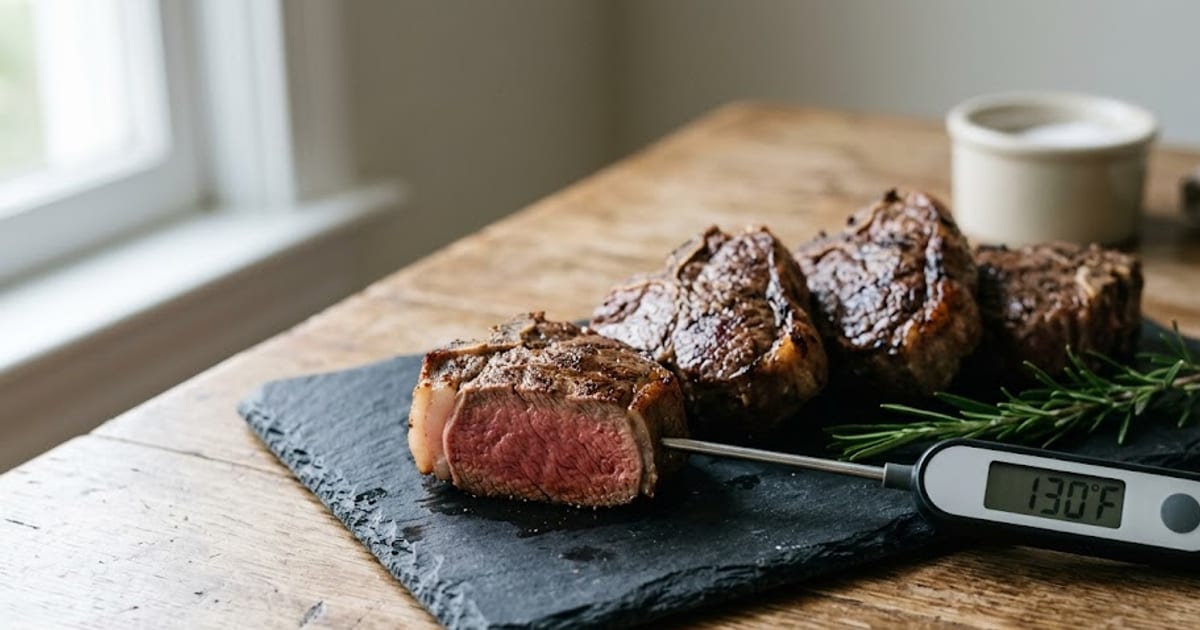 Lamb Internal Temperature: Chops, Rack and Leg, From Rare to Well Done
Lamb follows the same doneness scale as beef, but the cuts behave very differently. Chops gain almost nothing after cooking; a bone-in leg gains 8°F or more.
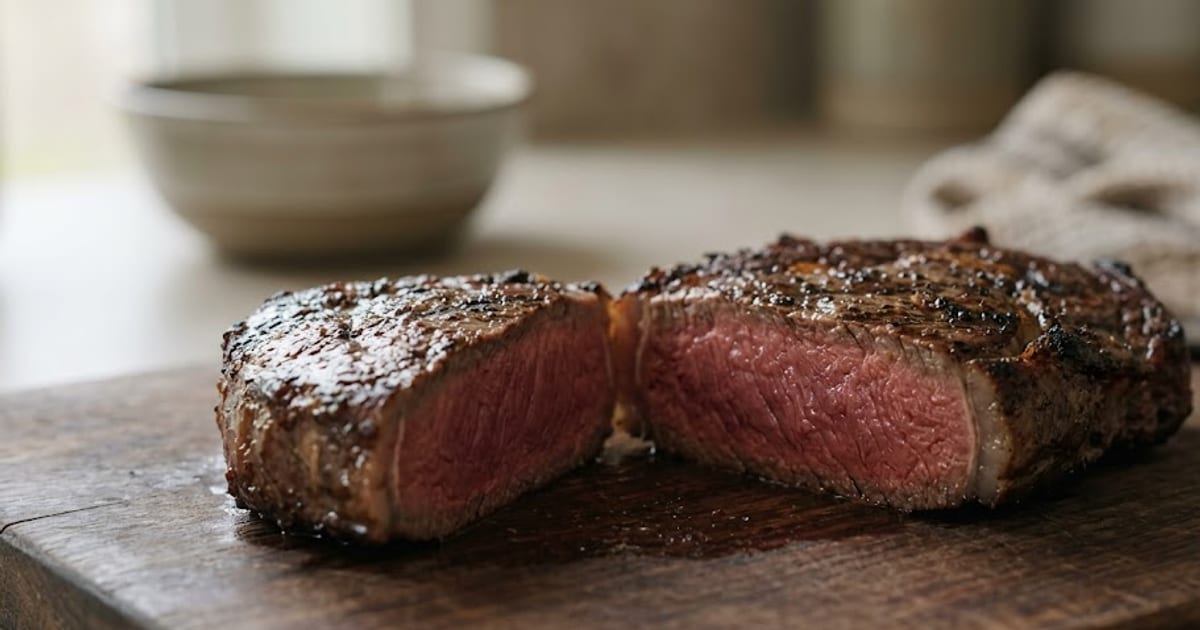 Steak Doneness Chart: What Rare to Well Done Look Like, and the Temperature for Each
Five stages, each with a pull temperature, a serving temperature and a look you can check once the steak is cut. Colour confirms what the thermometer already told you; it cannot replace it.
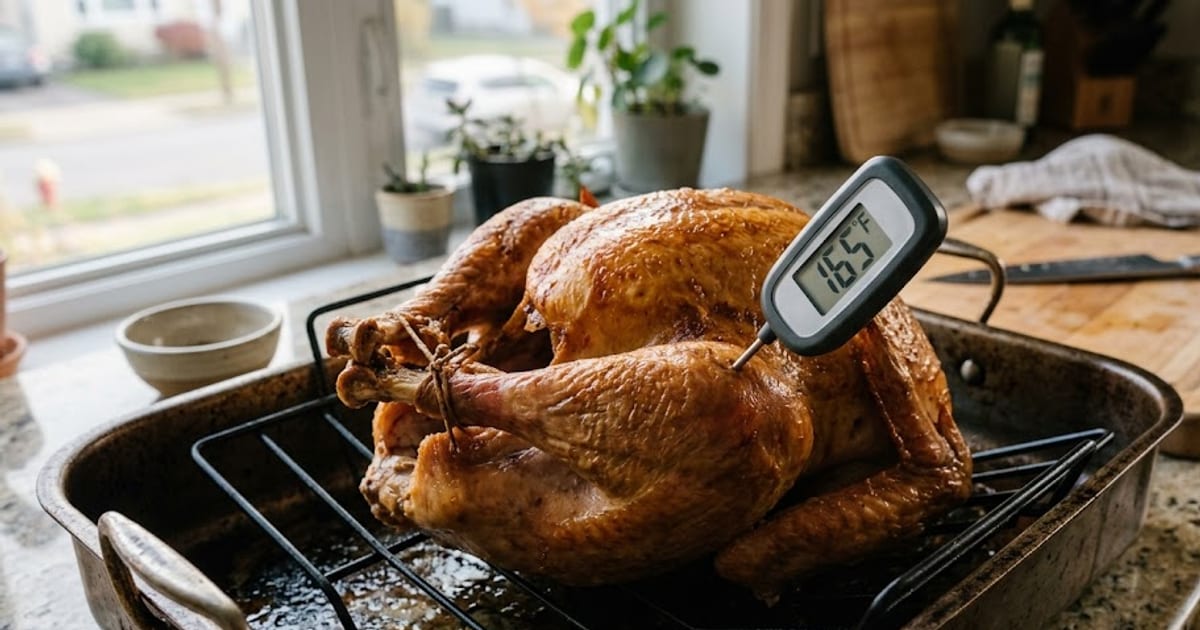 Turkey Internal Temperature: 165°F in Three Places, and How Carryover Changes When to Pull It
The USDA figure for turkey is 165°F. The practical question is where to measure, because a turkey is two kinds of meat that finish at different times, and it keeps climbing for twenty minutes after it leaves the oven.
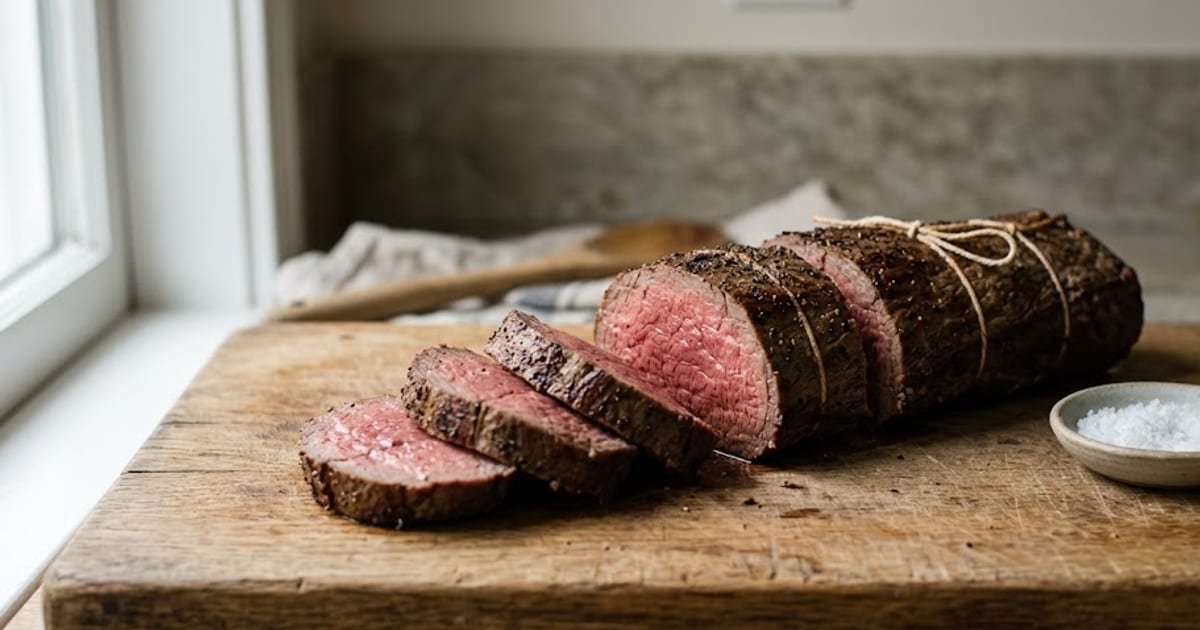 Beef Tenderloin Internal Temperature: Pull at 125°F for Medium Rare
Tenderloin is the leanest and most expensive roast most people cook, and the least forgiving. Two or three minutes too long moves it a full doneness stage.
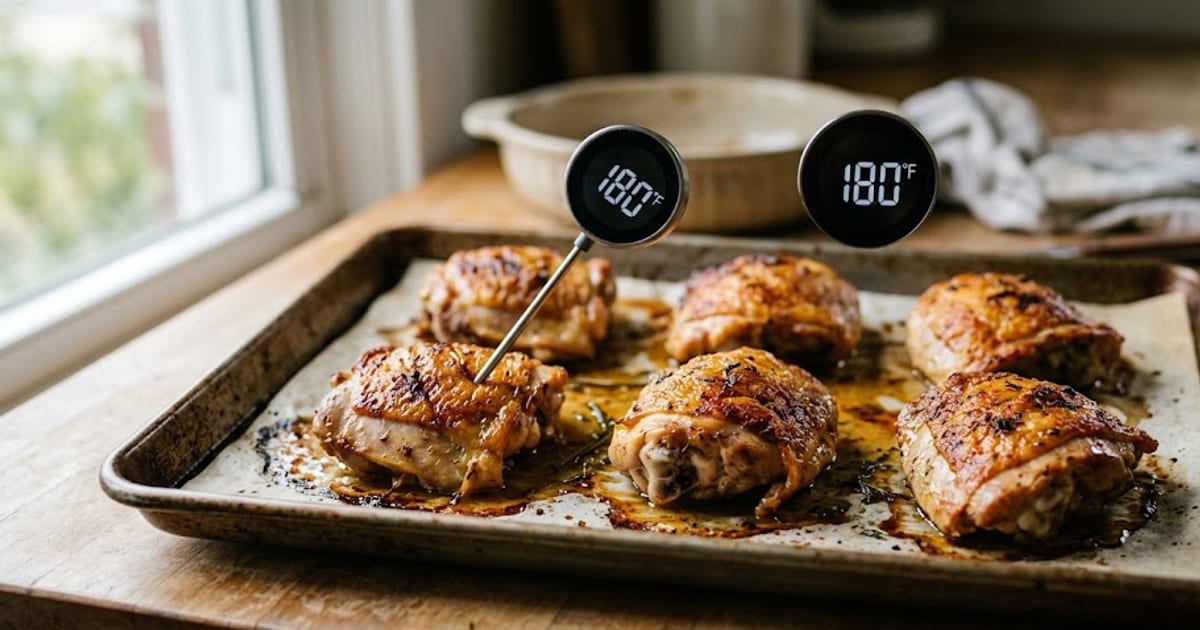 Chicken Thigh Internal Temperature: Safe at 165°F, Best at 175 to 185°F
Thigh meat is the one part of the chicken that gets better the longer you cook it, up to a point. Cooking it like breast meat is the most common reason thighs come out rubbery.
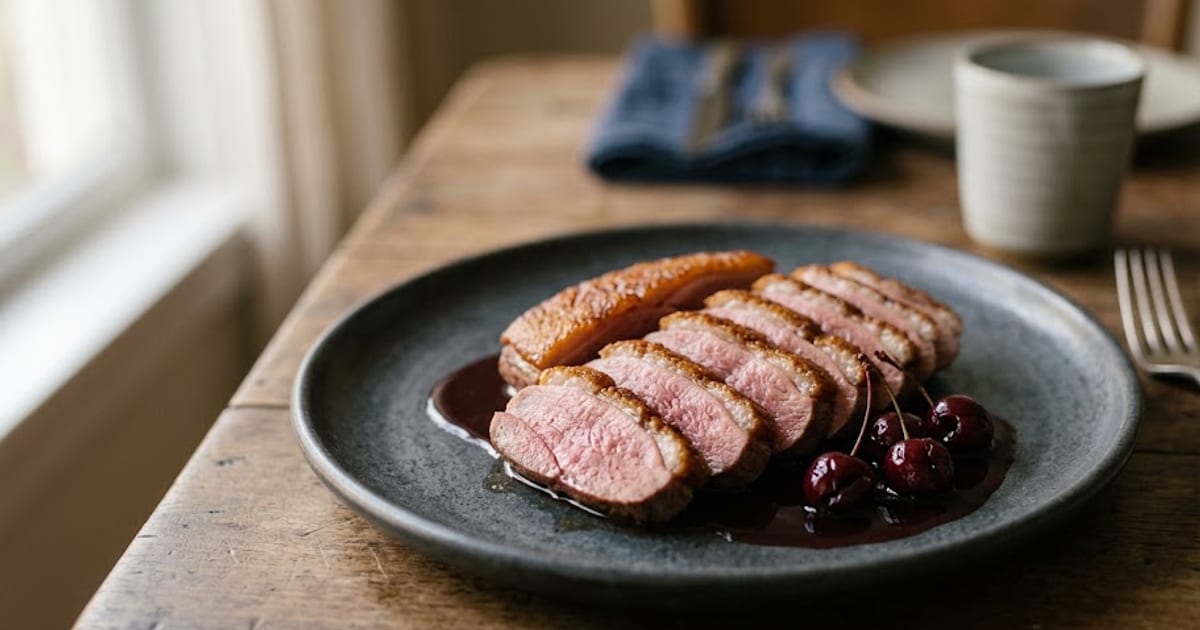 Duck Internal Temperature: 165°F for a Whole Duck, and Why Breasts Are Served Pink
Duck is poultry, and the USDA treats it like chicken: 165°F. Duck breast, though, is dark red meat that most chefs cook like steak. Both facts matter when you decide how far to cook it.
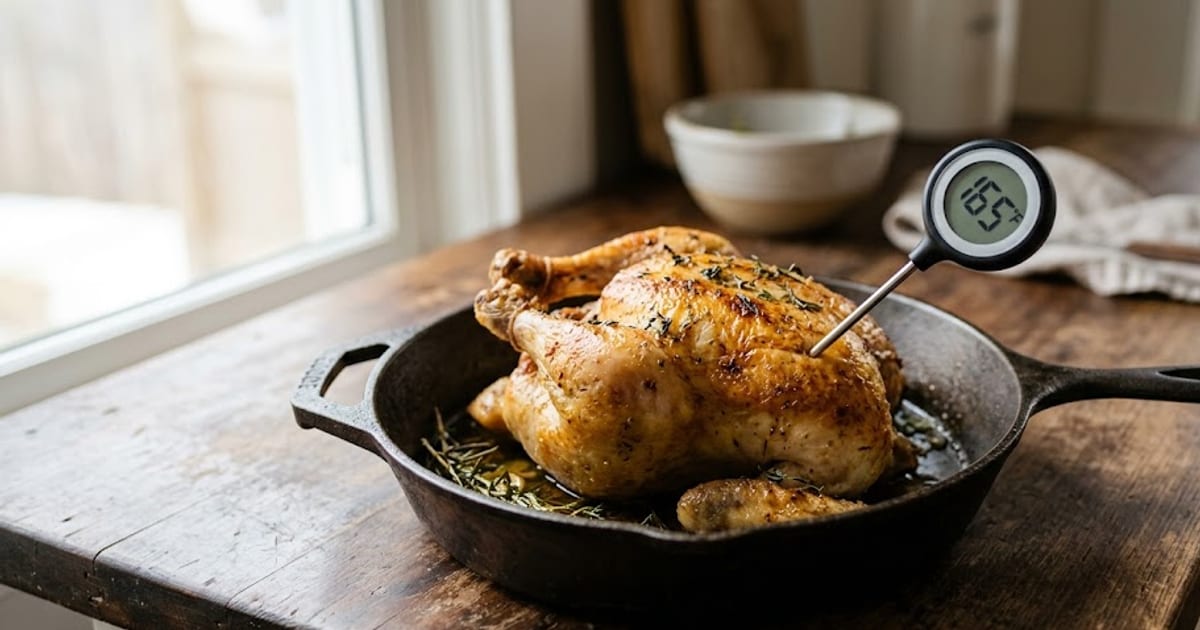 How to Tell If Chicken Is Done, With and Without a Thermometer
A thermometer reading of 165°F in the thickest part is the only sure answer. The visual signs help, and they are worth knowing, but each one can mislead in a specific way.
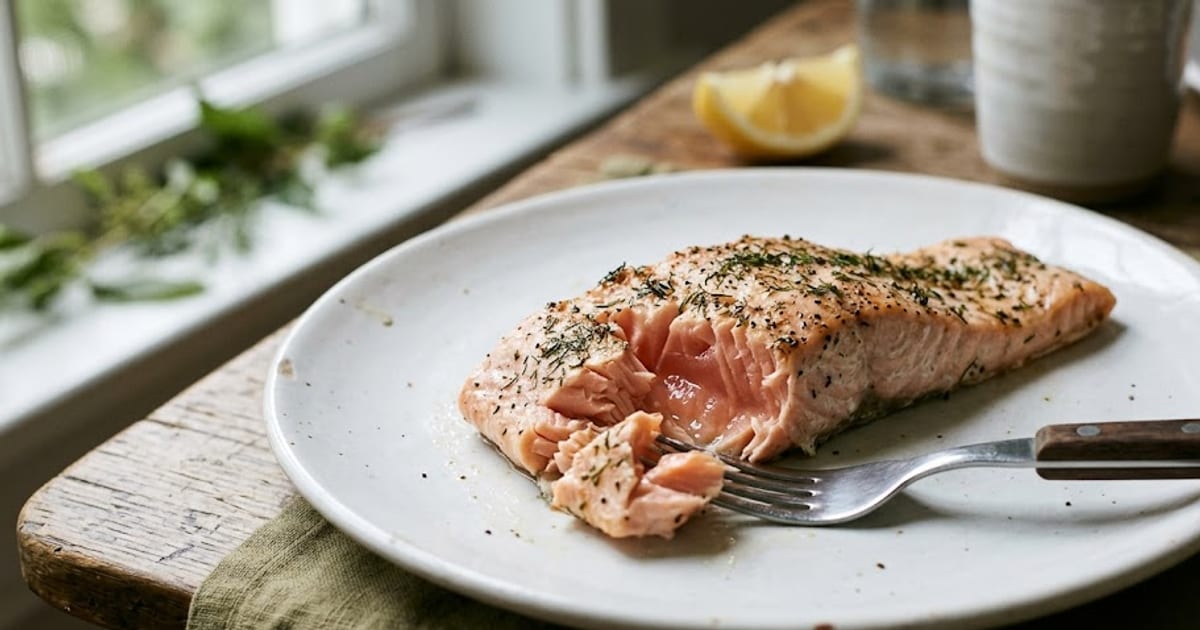 How to Tell If Salmon Is Done: Colour, Flake and the Temperature to Pull It
Salmon changes from glassy and dark orange to opaque and pale as it cooks, and the centre is the last part to turn. Press it with a fork at the thickest point and look at what is underneath.
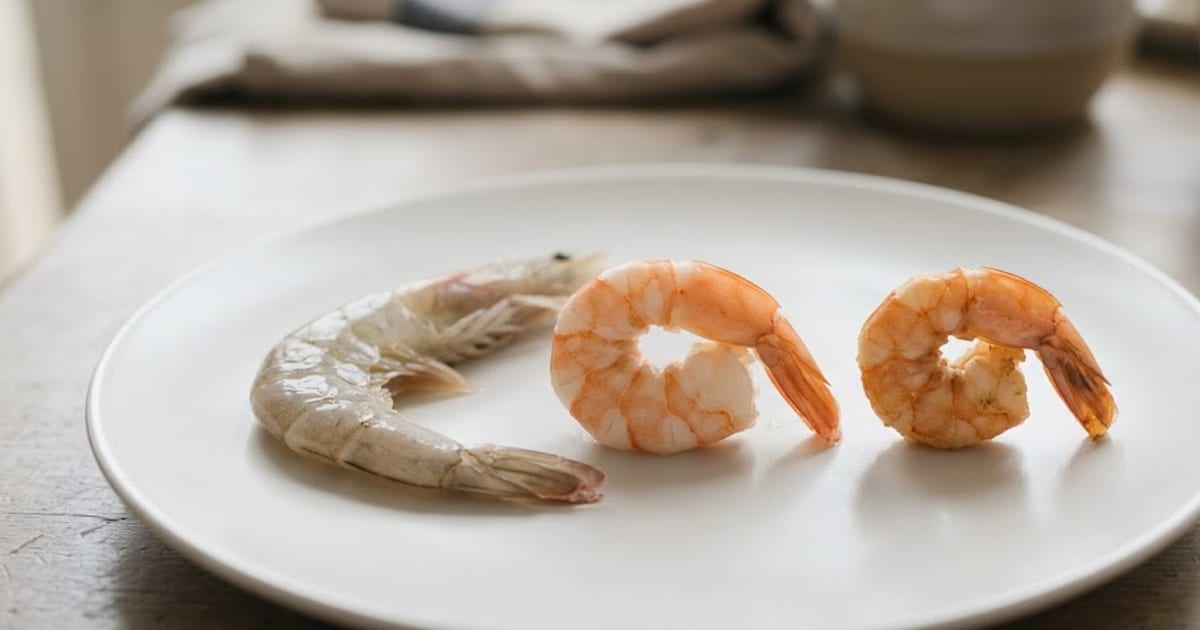 How to Tell If Shrimp Is Done: The C Shape, the Colour and the Timing
Shrimp cooks in two to four minutes, and the line between done and rubbery is about a minute. Watch the colour of the thickest part and the shape of the body.
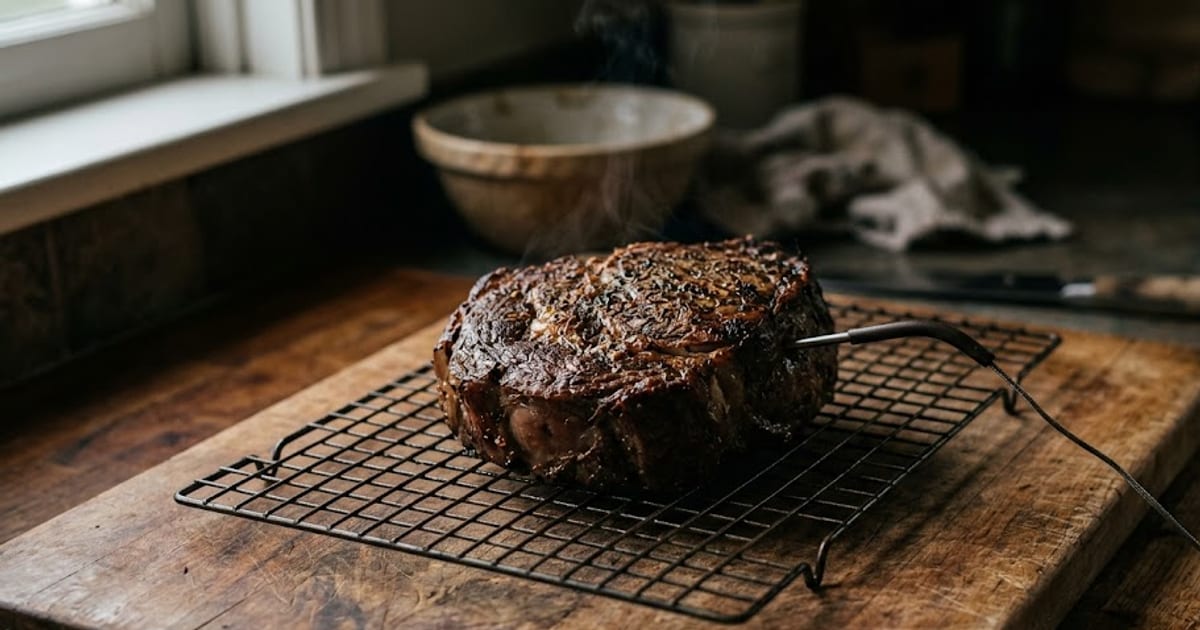 Carryover Cooking — Pull It Early or Serve It Overdone
The thermometer reads 135 in the pan and 143 on the plate. Nobody adds heat in between, and the roast is medium instead of medium rare.
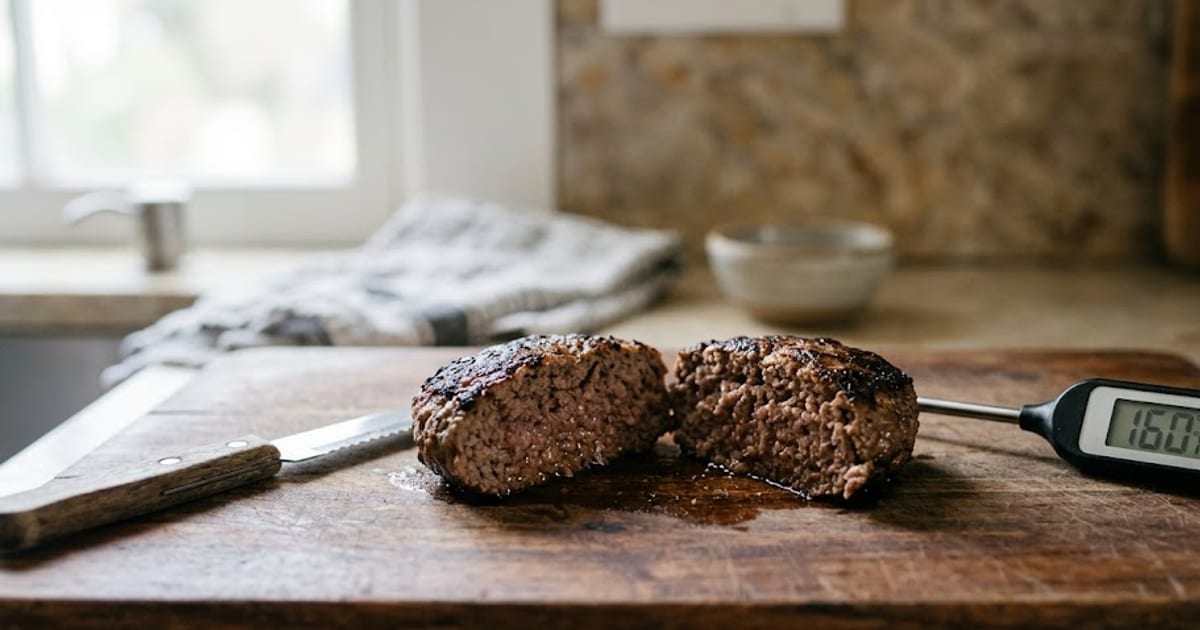 Internal Temp for Burgers: 160°F, and Why Steak Rules Do Not Apply
A rare steak is safe because the risk is on the surface and the sear reaches it. Grinding moves the surface into the middle, and that single fact changes the whole answer.
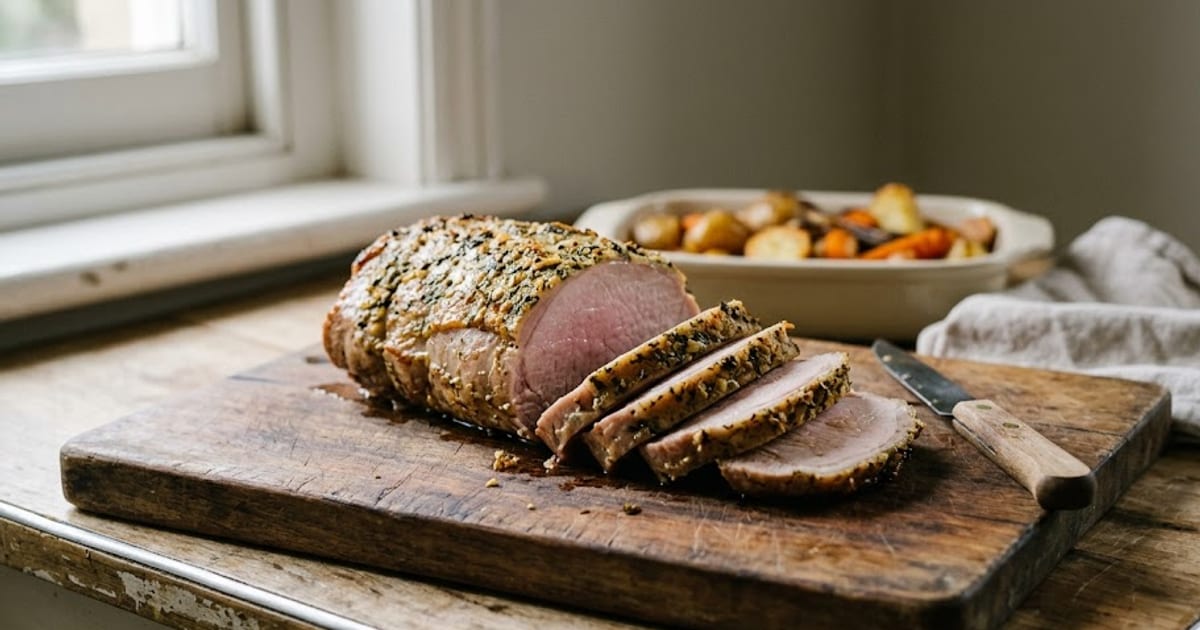 Internal Temperature for Pork: Loin, Tenderloin and Chops at 145°F, Shoulder at 203°F
The USDA lowered pork to 145°F in 2011. A great many recipes never updated, which is why so much home-roasted pork loin comes out grey and dry.