Amounts & Conversions
Cups per pound, servings per person, scaling a recipe.
Volume measures work well for liquids and badly for powders, and this whole section is about the gap between the two.
A cup of water weighs the same however it gets into the cup. A cup of flour weighs anywhere from 120 to 150 grams depending entirely on whether it was spooned in and levelled or scooped straight from the bag — a 25% spread on the ingredient that most determines whether a dough works.
Which convention a recipe assumes
American recipes written in the last decade generally assume 120 to 125 g per cup, spooned and levelled. Older cookbooks assume scooping, closer to 140 g, because that is what people did before scales were common in home kitchens. Almost none of them say which.
If a bread recipe comes out dry and dense, there is a fair chance you scooped where the author spooned, and you were a quarter over on flour before anything else went wrong.
What compresses and what does not
| Spread between fill methods | |
|---|---|
| Flour | ~25% |
| Cocoa, powdered sugar | 10–15% |
| Granulated sugar | 2–3% |
| Butter | 0% — sold in marked sticks |
| Water and milk | 0% |
Sugar behaves because the crystals are hard and do not crush. Flour is a fine powder holding a great deal of compressible air, and everything you do to the cup squeezes some of it out.
Where it matters and where it does not
It matters most in bread and pastry, which are ratio doughs: hydration is water weight against flour weight, and being 25% over on flour turns a 70% hydration dough into 56%. That is a visibly different loaf.
It matters less in cakes and cookies, which carry enough fat and sugar to absorb the error, and barely at all in gravies and coatings where you adjust by eye anyway.
A kitchen scale removes the variable entirely and is faster than washing three measuring cups. Weigh in grams rather than ounces — the increments are ten times finer, and every serious recipe published recently gives grams alongside the cups.
6 articles
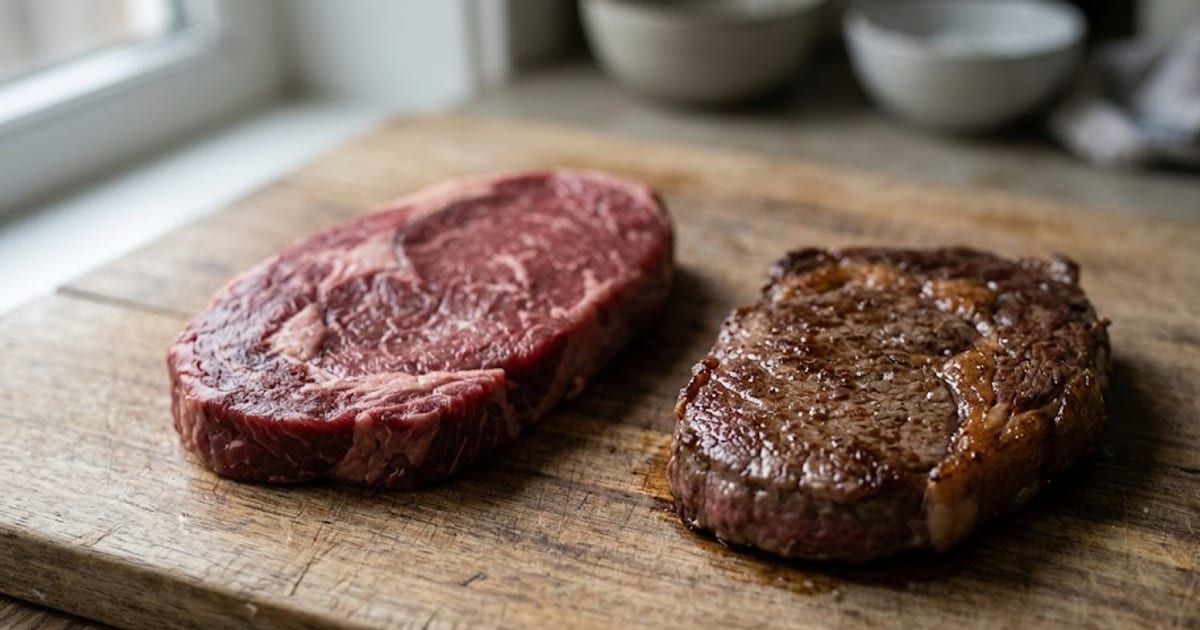 How Much Meat Per Person — Bone and Shrinkage Decide It
The number on the package is raw weight with the bone in. What reaches the plate is often little more than half of it.
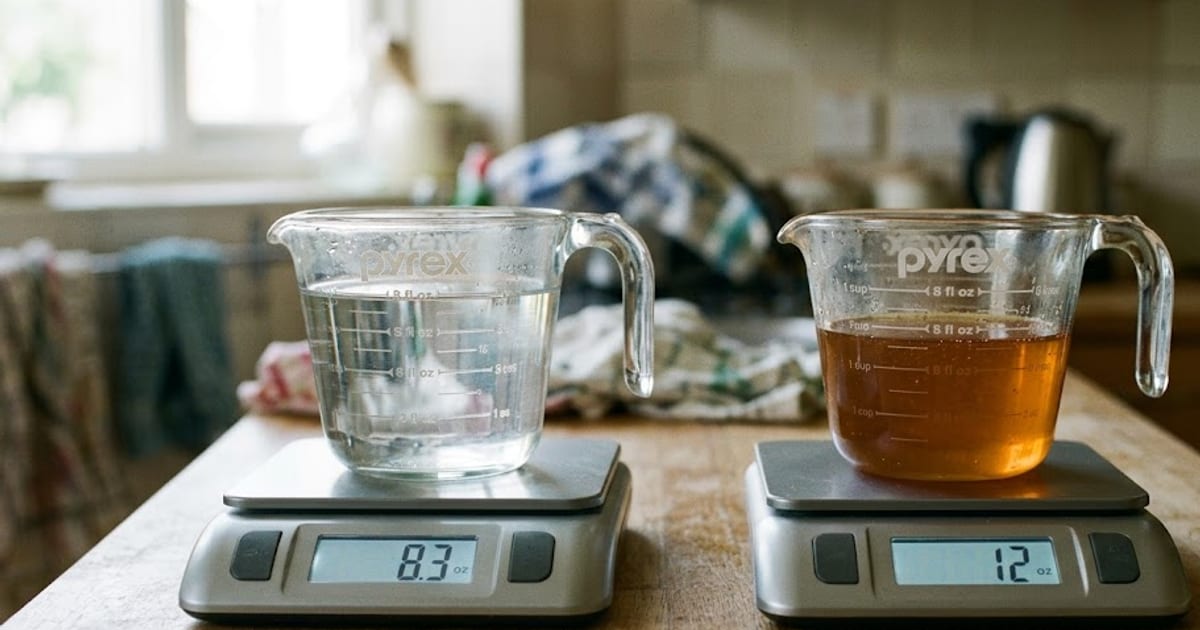 How Many Ounces in a Cup? 8 Fluid Ounces — but Not 8 Ounces of Weight
A cup is 8 fluid ounces of anything. It weighs 8 ounces only if it is water, and that coincidence is the source of most measuring errors in home baking.
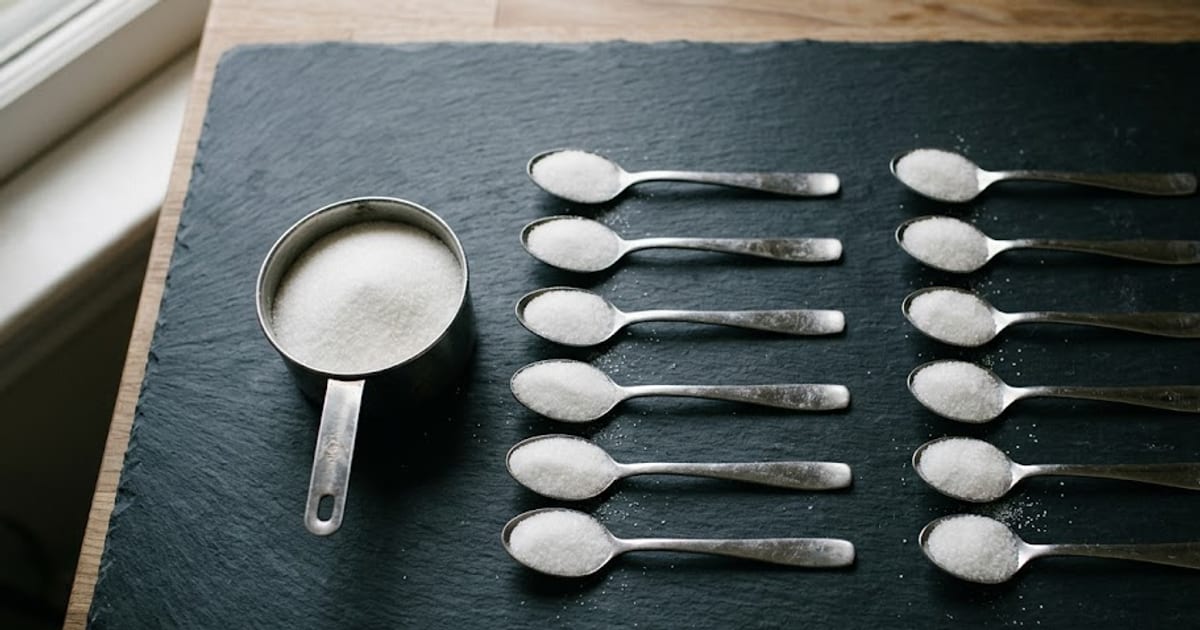 How Many Tablespoons in a Cup? 16 — and the Fractions That Are Not Obvious
Sixteen tablespoons in a cup, which makes halves and quarters easy and thirds genuinely awkward. A third of a cup is five tablespoons plus a teaspoon.
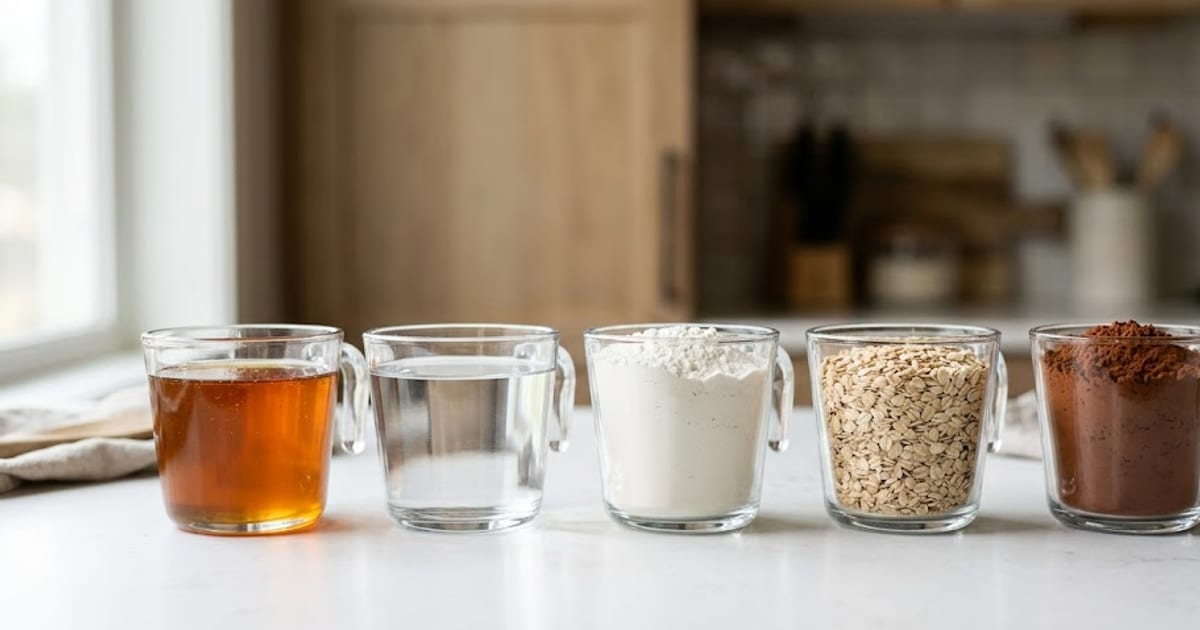 How Many Grams in a Cup? It Depends Entirely on What Is in It
A cup of honey weighs 340 grams. A cup of rolled oats weighs 90. Both are one cup, and that is the entire reason serious recipes give grams.
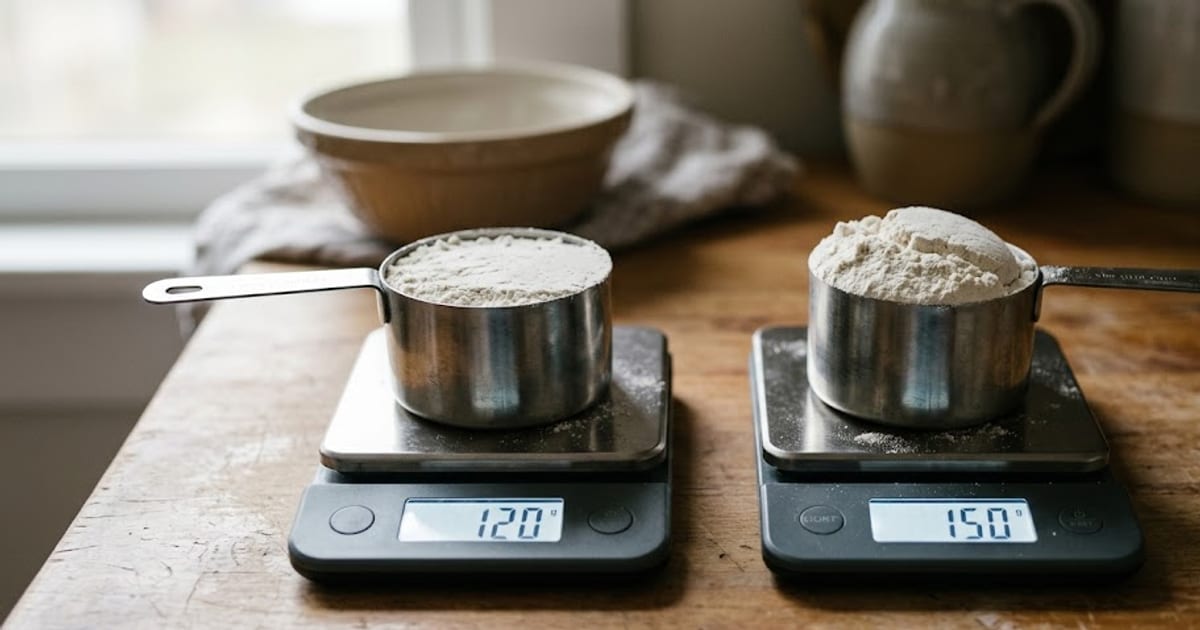 How Many Cups in a Pound of Flour? Between 3 and 3¾, Depending on How You Fill the Cup
Flour is the one ingredient where the same cup, filled two different ways, differs by a quarter. That is not a rounding error; it is the difference between bread and a brick.
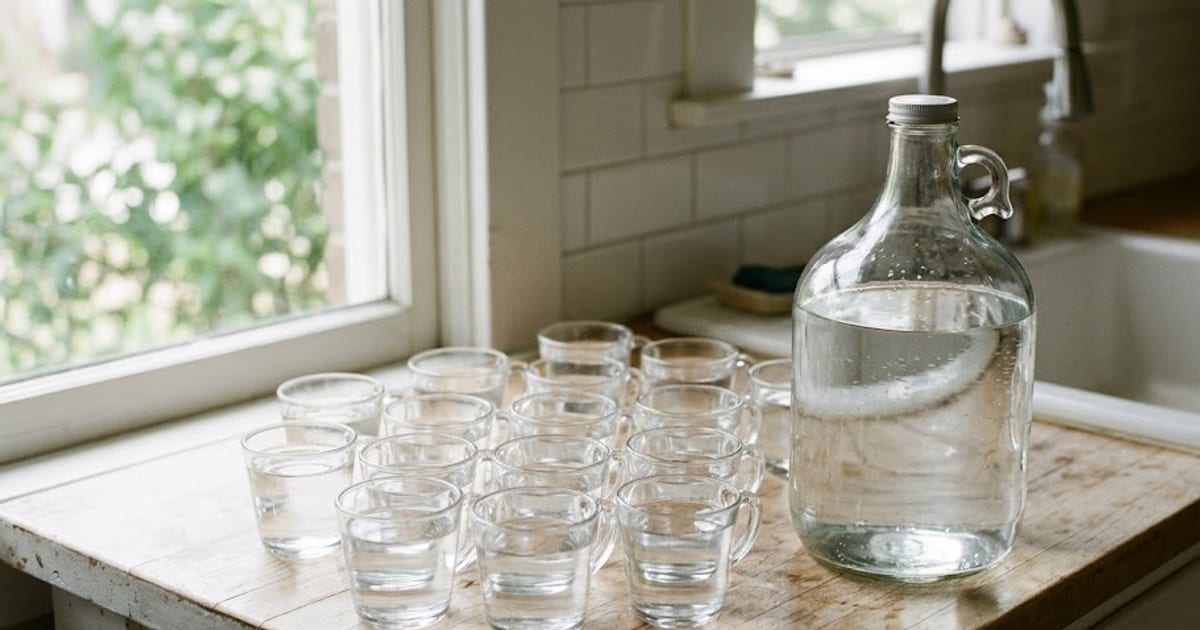 How Many Cups in a Gallon? 16 — and 20 If the Recipe Is British
Sixteen cups, in the United States. An imperial gallon holds twenty, and that 20% gap is a real problem in older recipes and in anything written outside America.