Oven Times
Minutes per pound by cut, and what changes at each temperature.
Oven time is set by three things, and only one of them is on the recipe: the thickness of what you are cooking, the temperature difference the oven is working against, and how far your own oven sits from the number on its dial.
Weight is not on that list, which is why minutes-per-pound rules work for one shape and mislead for every other. A pork tenderloin and a pork loin roast of the same weight differ by nearly three times in oven time, because one is two inches across and the other is four. Heat travels inward from every surface, so time scales with roughly the square of the thickness.
Why dropping the oven 50°F does not add a fixed number of minutes
The rate heat moves toward the centre is proportional to the gap between the oven and the temperature you are cooking to:
t = t400 × (400 − target) ÷ (T − target)
Chicken thighs pulled at 180°F take 1.29 times as long at 350°F as at 400°F. A beef roast pulled at 125°F takes only 1.22 times as long across the same drop. Same oven, same change, two different answers — which is why no blanket "add ten minutes" rule survives contact with a real menu.
The mistake nearly every chart makes
They print the serving temperature in the column labelled "cook to". Food keeps cooking after it leaves the oven — 3 to 5°F on a small cut, 10 to 15°F on a turkey — so cooking to the serving number lands you a full stage past it.
Every page here gives the pull temperature and the serving temperature as two separate numbers, because they are two separate numbers.
What no formula can see
Your oven's real temperature. Domestic ovens commonly run 15 to 25°F away from the dial and cycle around a setpoint rather than holding it, and a convection fan changes the answer again. An oven thermometer costs a few dollars, settles the question in one evening, and corrects every timing you will ever use afterwards.
Until then, treat the low end of any range on this site as the moment to start checking rather than the moment it is done.
7 articles
How long to cook Whole Duck at 375°F
| Start checking atthe low end — an oven running hot gets here first | 128min |
|---|---|
| Expected timefor 5 lb at 375°F | 145min |
| Pull temperatureit climbs 10°F more while resting | 165°F |
| Serving temperaturewhat a chart without a pull column would have told you to cook to | 175°F |
| Same dish at 400°F1.12× longer at 375°F | 130min |
| Resting timeuncovered, on a rack | 15–20min |
Notes
- Whole Duck. The thick fat layer under the skin has to render before the skin can crisp, which is why duck is often started low and finished hot rather than roasted at one temperature. Scoring the skin without cutting the meat is the step that decides the result.
- Time here comes from the temperature difference the oven is working against, not from a minutes-per-pound rule: t = t₄₀₀ × (400 − 165) ÷ (T − 165). Because the target for this poultry is 165°F, dropping the oven from 400 to 350 multiplies the time by 1.27. A dish with a lower target changes far less — which is why one blanket "add ten minutes" rule cannot work.
- Pull at 165°F, not 175. Carryover adds about 10°F after it leaves the oven, and almost every chart online prints the serving temperature in the column labelled "cook to". That single confusion is why food cooked carefully to a chart arrives one stage past where it was meant to.
- Thickness governs time far more than weight does — heat travels inward from every surface, so the centre of a piece twice as thick takes roughly four times as long. Two items of identical weight and different shape are not the same job.
- Domestic ovens commonly run 15 to 25°F away from the dial and cycle around it rather than holding steady. An oven thermometer settles this once and changes every timing you will ever use; until then, treat the low end of the range above as the moment to start checking rather than the moment it is done.
Cooking time by dish and temperature
280 calculations · browse all
- How long to cook Pork Tenderloin at 300°F
- How long to cook Pork Tenderloin at 425°F
- How long to cook Pork Loin Roast at 400°F
- How long to cook Pork Chops at 375°F
- How long to cook Beef Tenderloin at 350°F
- How long to cook Prime Rib at 325°F
- How long to cook Ribeye Steak at 300°F
- How long to cook Ribeye Steak at 425°F
- How long to cook Leg of Lamb at 400°F
- How long to cook Lamb Chops at 375°F
- How long to cook Brisket at 350°F
- How long to cook Meatloaf at 325°F
- How long to cook Pork Ribs at 300°F
- How long to cook Pork Ribs at 425°F
- How long to cook Precooked Ham at 400°F
- How long to cook Chicken Breast at 375°F
- How long to cook Chicken Thighs at 350°F
- How long to cook Whole Chicken at 325°F
- How long to cook Chicken Wings at 300°F
- How long to cook Chicken Wings at 425°F
- How long to cook Chicken Drumsticks at 400°F
- How long to cook Whole Turkey at 375°F
- How long to cook Turkey Breast at 350°F
- How long to cook Whole Duck at 325°F
- How long to cook Salmon Fillet at 300°F
- How long to cook Salmon Fillet at 425°F
- How long to cook Cod Fillet at 400°F
- How long to cook Whole Fish at 375°F
- How long to cook Shrimp at 350°F
- How long to cook Scallops at 325°F
- How long to cook Baked Potato at 300°F
- How long to cook Baked Potato at 425°F
- How long to cook Sweet Potato at 400°F
- How long to cook Brussels Sprouts at 375°F
- How long to cook Broccoli at 350°F
- How long to cook Carrots at 325°F
- How long to cook Cauliflower at 300°F
- How long to cook Cauliflower at 425°F
- How long to cook Asparagus at 400°F
- How long to cook Butternut Squash at 375°F
- How long to cook Root Vegetables at 350°F
- How long to cook Bread Loaf at 325°F
- How long to cook Cornbread at 300°F
- How long to cook Cornbread at 425°F
- How long to cook Lasagna at 400°F
- How long to cook Baked Ziti at 375°F
- How long to cook Quiche at 350°F
- How long to cook Mac and Cheese at 325°F
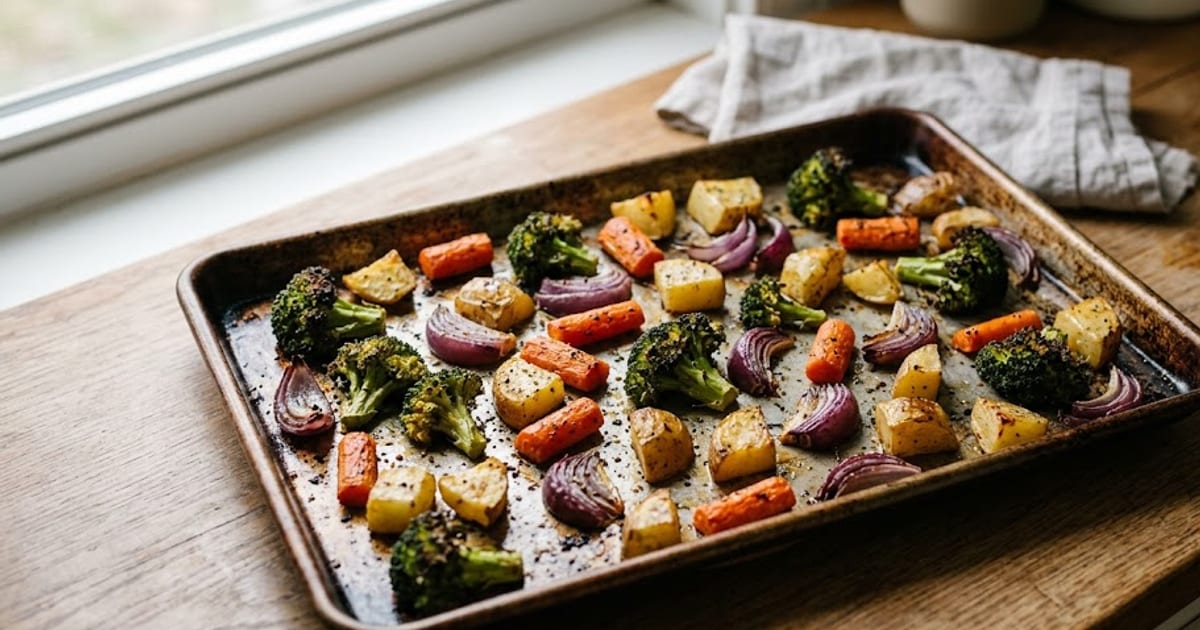 Roasting Vegetables — 425°F, One Layer, and Cut for the Time You Have
Vegetables that steam instead of browning are almost always on a crowded pan, not in a cool oven.
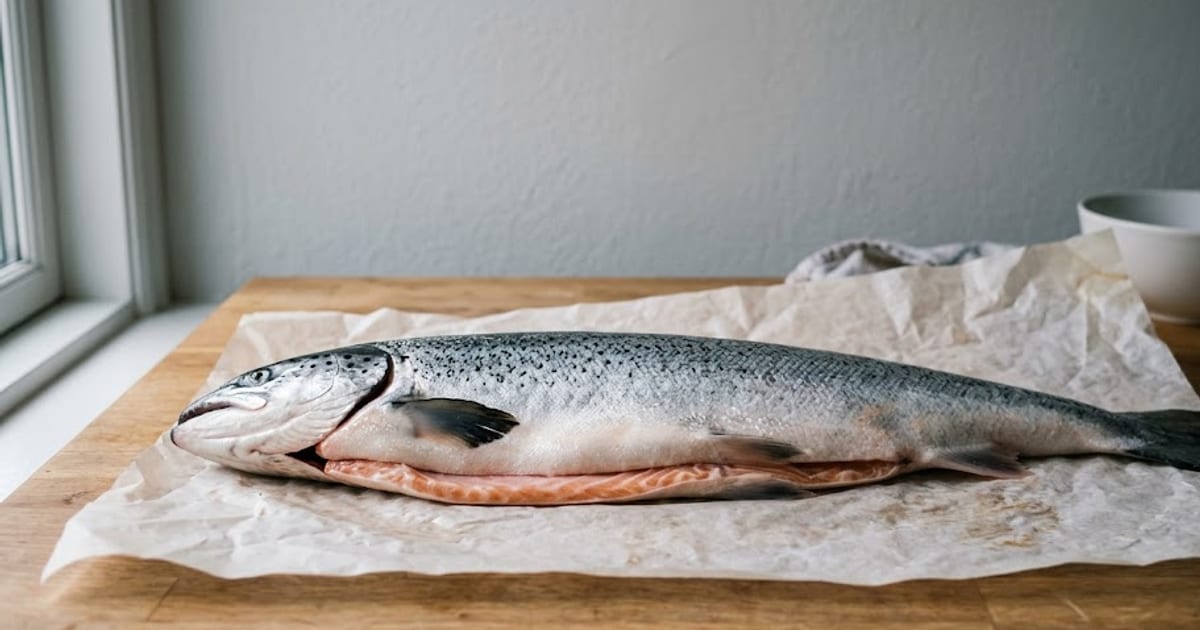 How Long to Bake Salmon: 12–15 Minutes at 400°F for a One-Inch Fillet
Salmon is measured by thickness, not by weight, and it is one of the few things where the official safe temperature and the temperature people actually cook to disagree by a wide margin.
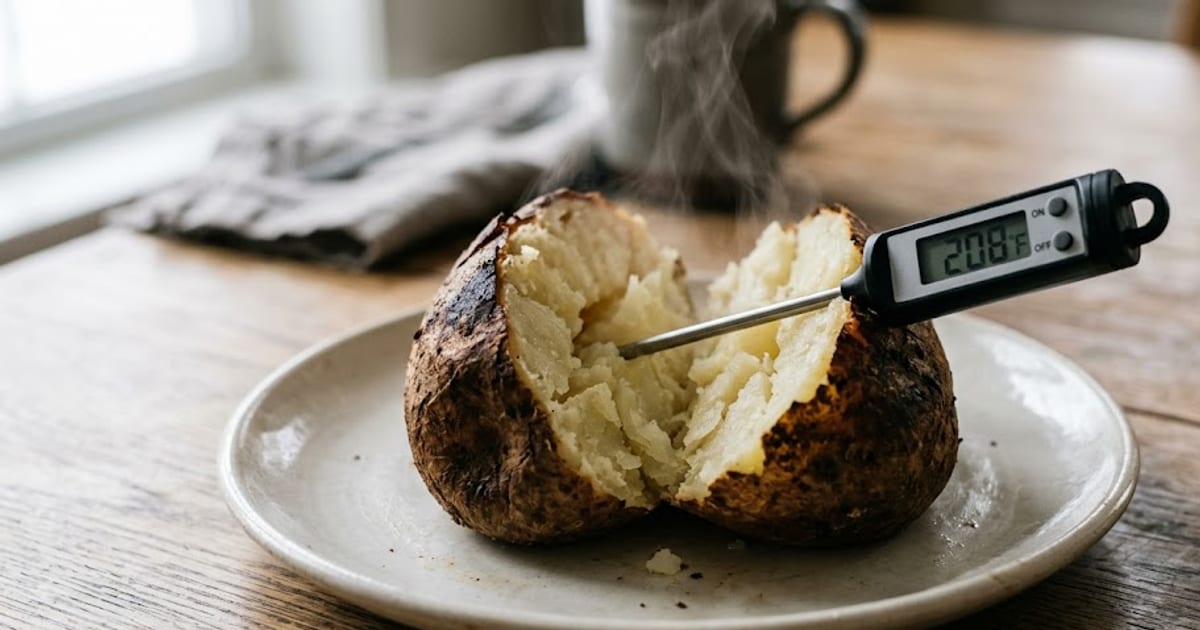 How Long to Bake a Potato: 50–60 Minutes at 400°F, and Done Is 208°F Inside
A baked potato has a doneness temperature like a roast does — 205 to 210°F, when the starch has finished gelatinising. Soft on the outside is not the test.
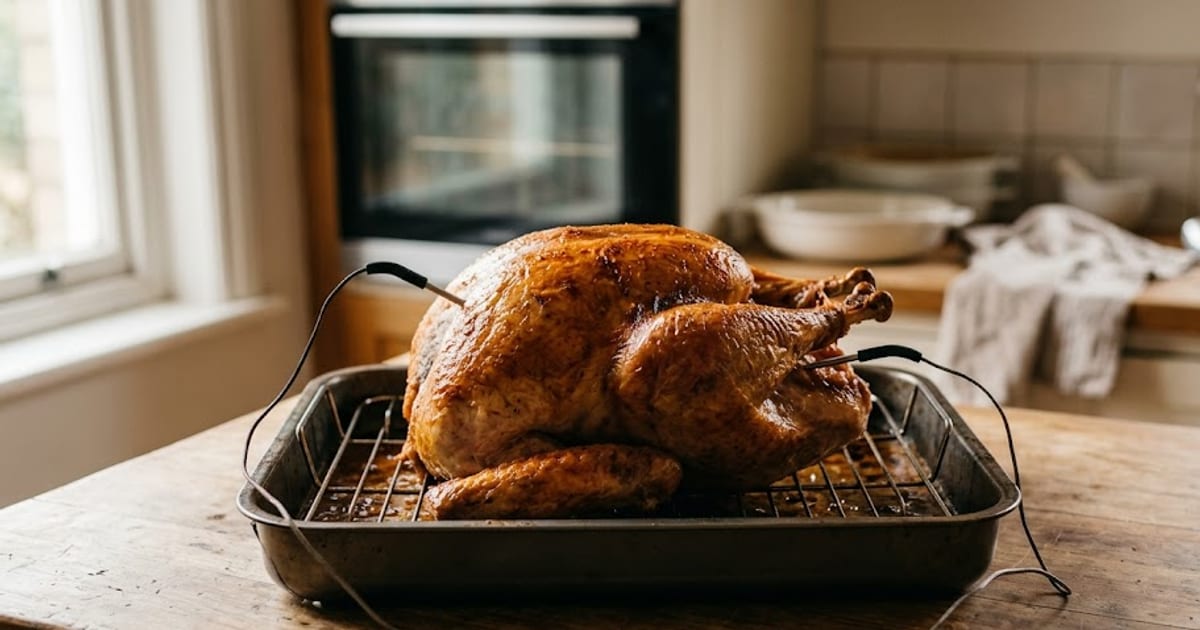 How Long to Cook a Turkey Per Pound: 13 Minutes at 325°F, Unstuffed
Thirteen minutes a pound gets you close. The reason it is only close is that a turkey is two different birds attached to each other, finishing at different times.
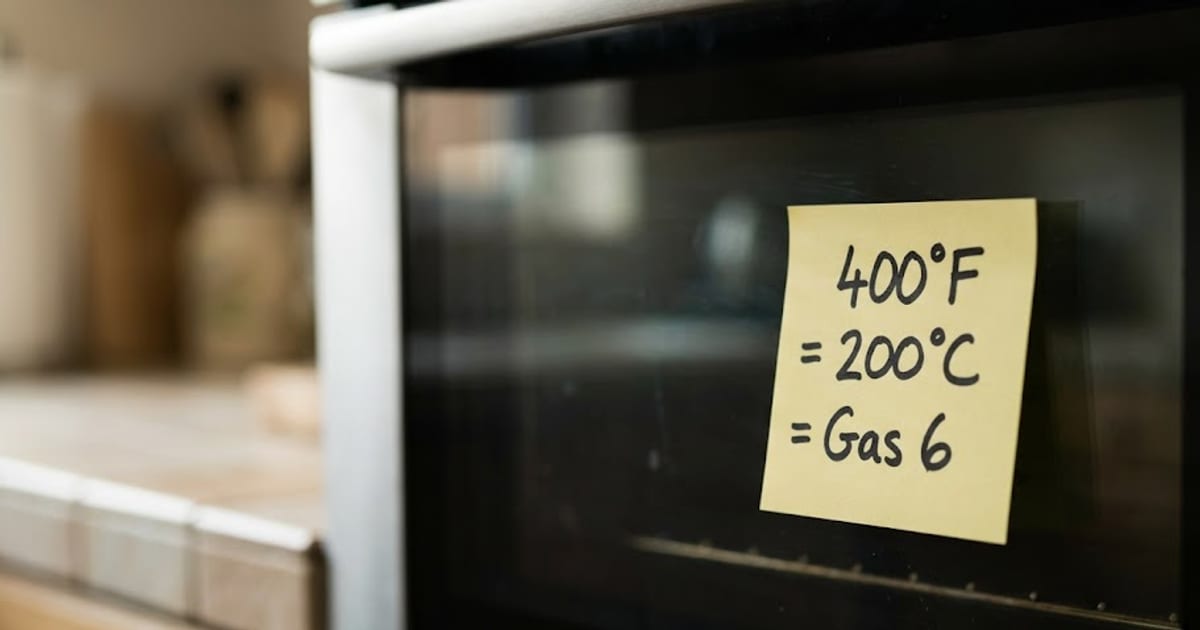 Oven Temperature Conversion Chart: Fahrenheit, Celsius, Fan and Gas Mark
Every published conversion chart rounds, and they all round to the same friendly numbers. Knowing where the rounding is lets you tell a real difference from a printing convention.
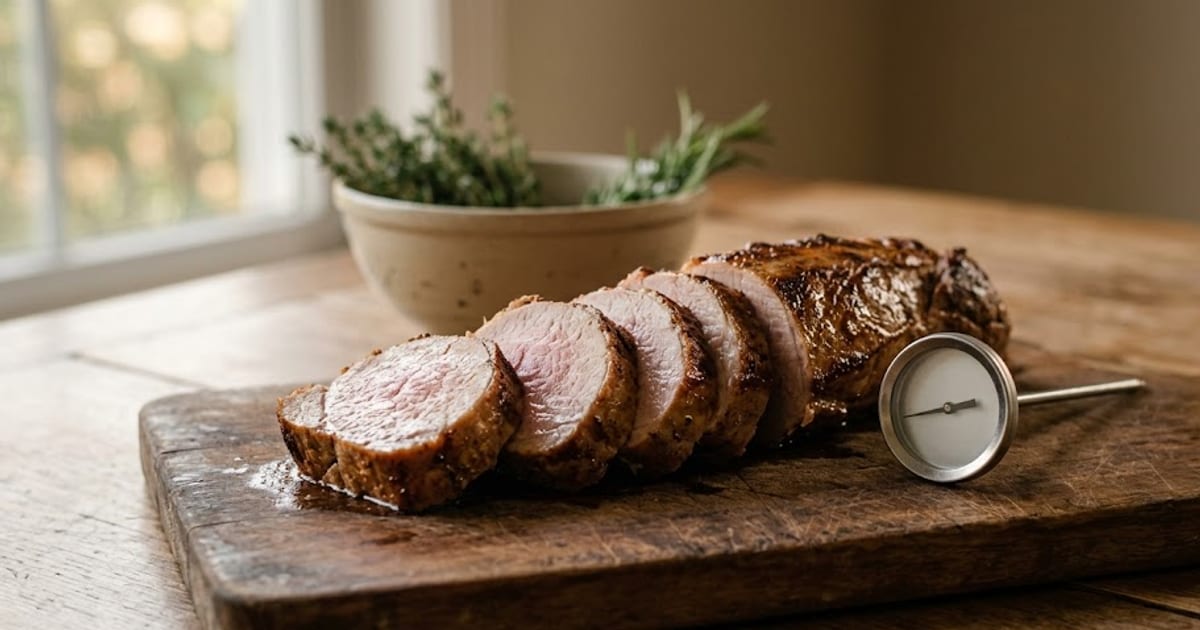 How Long to Cook a Pork Tenderloin at 400°F (And Why the Clock Is the Wrong Tool)
Twenty to twenty-seven minutes is the honest answer for a tenderloin. It is also a range wide enough to ruin dinner, which is the whole argument for a thermometer.
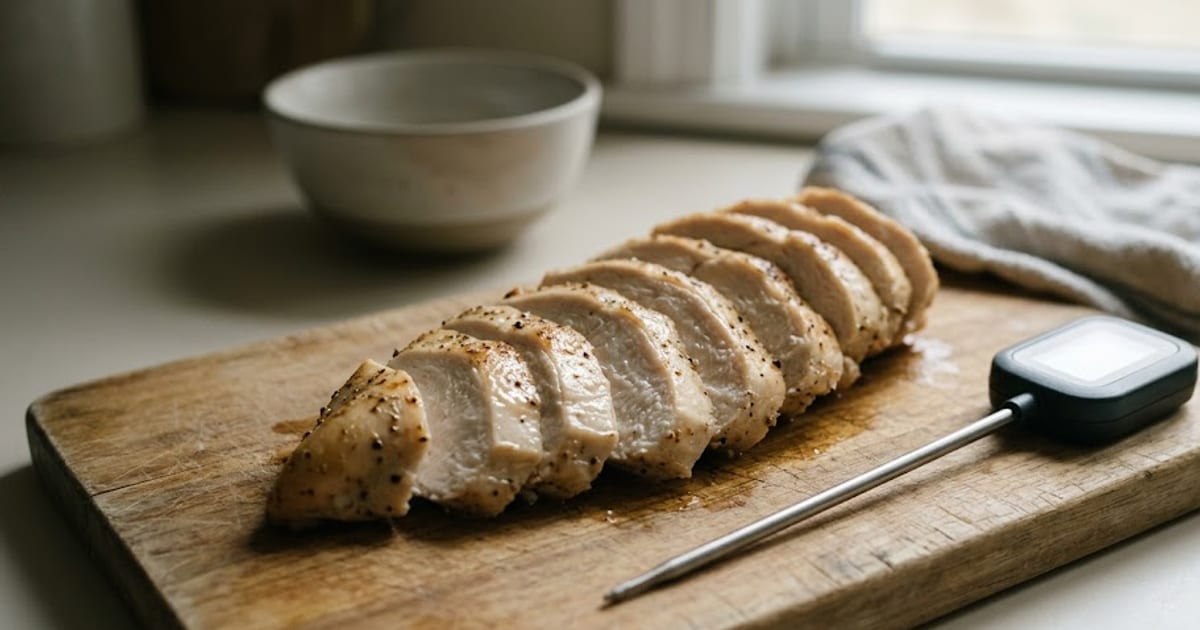 How Long to Bake Chicken Breast: 20–22 Minutes at 400°F, and Pull It at 160
Chicken breast has no fat to hide a mistake. The difference between juicy and stringy is about five degrees, and it happens in the last ninety seconds.